
FIELD NOTES
How to Measure for MMA Shorts Without Guessing Your Size
Learn what to record, how to distinguish body and garment measurements, and what to check before relying on a shorts size chart.
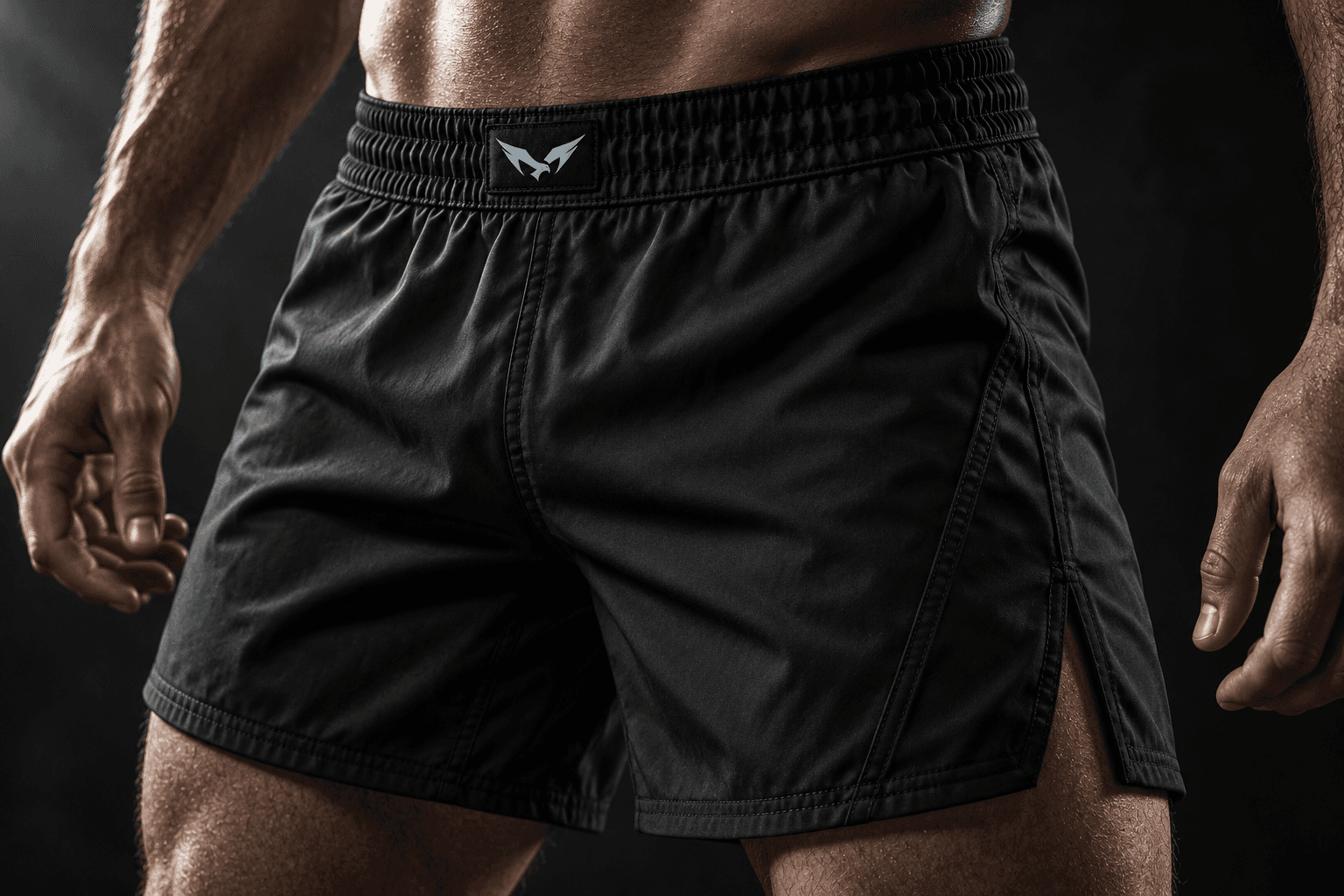
To measure for MMA shorts, record your waist and hips with a flexible tape, then compare those measurements with the actual product chart and its instructions. Check whether the chart describes your body or the garment. Those are different kinds of measurements.
The MMA Shorts is preparing its brand and guides ahead of a future catalogue. This page is a general measurement method, not an approved size chart for our products.
Prepare a clear set of measurements
Use a flexible tape that you can read easily. Choose inches or centimeters and write the unit beside every number. Avoid switching units halfway through your notes.
Stand normally and keep the tape level around your body. It should sit snugly without digging in. Take each measurement again before recording it; if the readings differ, check the tape's position and repeat.
You are trying to create a useful reference, not force yourself into a preferred size. A measurement that you can repeat is more helpful than a size label you remember from another garment.
Measure your waist and hips
For a natural-waist measurement, place the tape around the narrower part of your torso, keeping it horizontal. For your hips, measure around the fullest part with the tape level. These are the basic measuring locations described in Nike's official bottoms measurement guide.
Record both readings. Then read the shorts product's instructions: a brand may ask for a particular waistband position or an additional measurement. Follow that chart's stated method when comparing your numbers.
Do not use the reference guide's size ranges to choose another brand's shorts. It explains a measuring method; it does not establish a universal sizing system.
Check what the chart is measuring
A body-measurement chart describes the person the garment is intended to fit. A garment chart describes the shorts themselves. Look for an explicit label rather than guessing from the numbers.
For example, a flat waistband width is measured across the garment. It is not your body waist circumference. Even doubling a flat width does not tell you the intended body fit unless the seller also explains the waistband, measuring conditions and fit allowance.
If a chart lists an inseam, that is the garment distance from the crotch seam to the hem. It is separate from the waistband measurement and from the overall side length of the shorts.
Use an existing pair carefully
If you own shorts you like, you can use them to describe your preferences. Note the label, how the waistband feels and what you like about the length. Measure them only according to the same method used in the new product's garment chart.
A comparison is less useful when one waistband is measured stretched and the other relaxed, or when two sellers use different endpoints. Ask the seller to clarify before treating the numbers as equivalent.
If your measurements fall between sizes
Follow the particular product's fit advice. There is no reliable universal instruction to always size up or always size down. Waistband design, garment dimensions and your preferred fit all need to be understood first.
Send the seller your measurements and units, the exact style you are considering and the fit you prefer. Avoid sharing unnecessary personal information. Review the returns conditions before purchasing if you are uncertain.
Our product-specific dimensions and fit guidance will be published with the future catalogue once confirmed. Until then, these steps help you collect the information a meaningful size recommendation needs.